← All work 05
One Django app, two domains
The personal site behind raphaelwieland.com. One image served two domains, with CI that refuses to ship a broken deploy.
2domains, one image
- Role
- Sole developer
- Year
- 2021–2026
- Status
- Live
- Links
- raphaelwieland.com
Problem
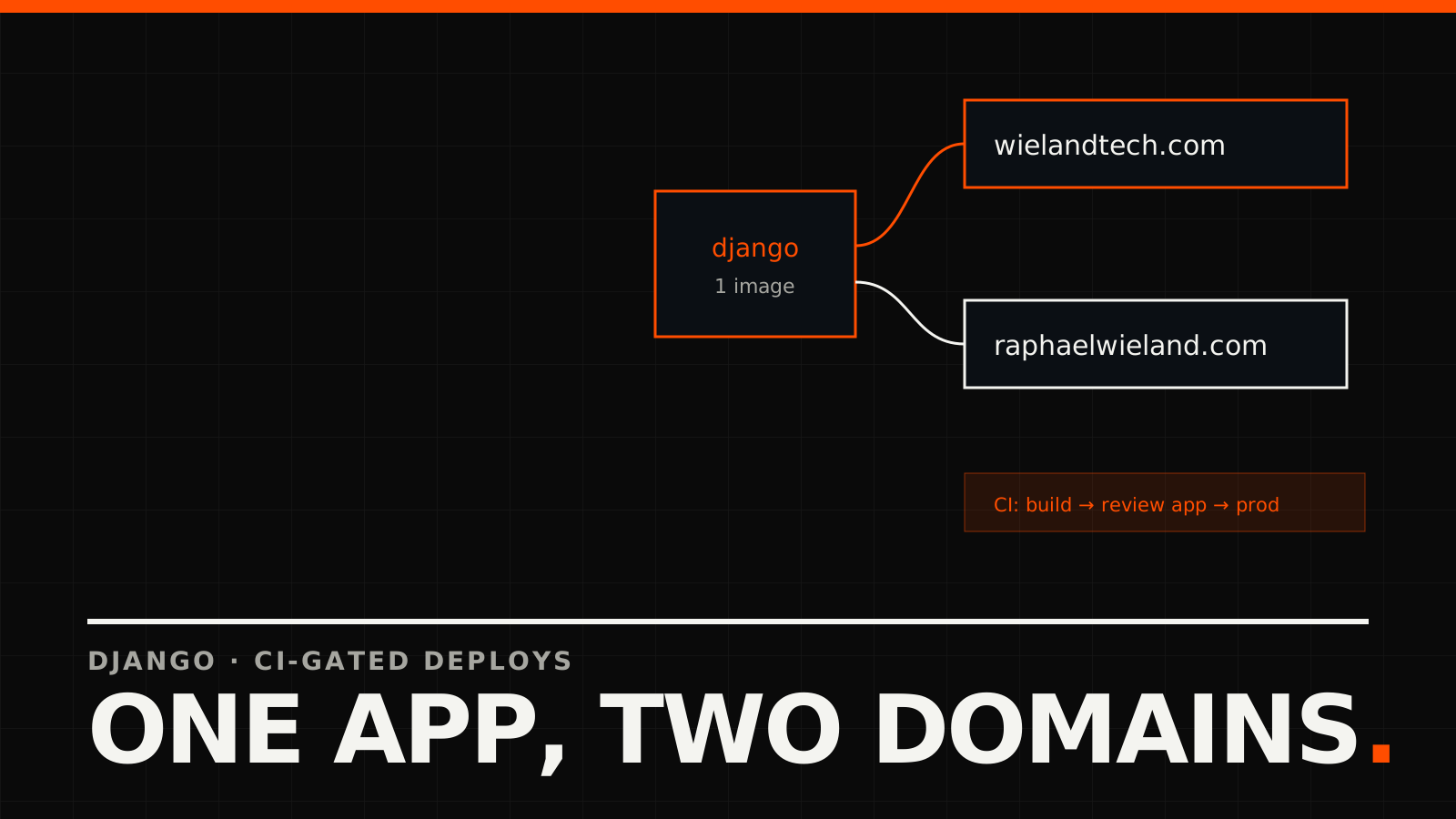
A long-running Django site (blog, photography, accounts, a resume) needed to become two sites: a personal one and a professional portfolio. Old links had to keep working, and running two codebases for one person wasn’t worth it.
Approach
Request
either domain
Host middleware
portfolio or personal?
Portfolio paths
/, /homelab/, /contact/
308 → personal site
path + query kept
- One app, two hosts. A middleware picked the face per request. On the portfolio domain, every path it didn’t own returned a 308 with the path and query intact, so years of shared links kept working.
- CI that gates deploys. Merging to
mainis a production deploy, so CI stops the image build if a model change lacks its committed migration. Docs-only changes still satisfy the required check through a companion workflow, so they don’t need a pointless build. - Review app per PR. Every pull request gets its own copy of the site, with its own database and hostname, before anything merges.
Hard parts
- Hostnames live in code.
ALLOWED_HOSTS, CSRF origins and the CSP host list are all in the app. Adding a domain is an app change that has to deploy before the ingress change, or the new host returns 400 until it does. - Migrating without downtime. The site framework, password-reset links and the sitemap all point at one canonical domain. That pointer was moved with a data migration, not by hand.
Outcome
The split worked, and this portfolio is its next step. wielandtech.com is now a static site (this one), and raphaelwieland.com stays the personal site. The routing pattern and the deploy gates carried over to every other app on the platform.
Stack
- Django
- PostgreSQL
- Redis
- GitHub Actions
- Kubernetes